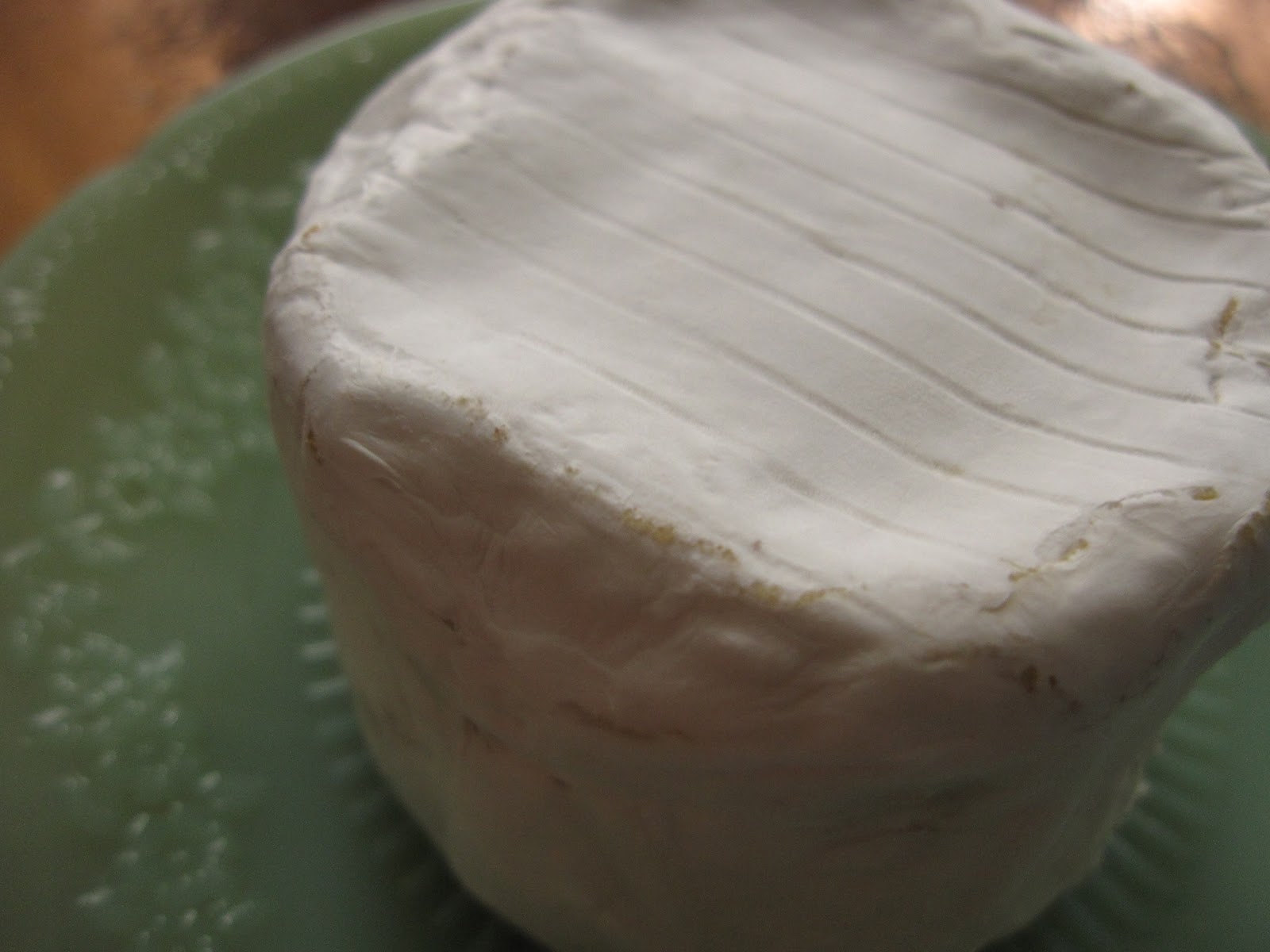
Today was soup weather, but I didn’t have much in the fridge, except fresh vegetables from our CSA share. No soup bones. No stock. Then I remembered reading a comment on Chowhound about tossing Parmesan rinds into a soup pot. Supposedly, the rind added flavor, similar to a ham hock. Okay, I had rinds. Oh, did I have cheese rinds.
So, in one went, along with water, bouillon, and lots of chopped celery and onion. I was making soup. It was time, friends, to put some of that leftover cheese to use.
I did a lot of Internet surfing while the cauldron bubbled. Would the rind melt? Would it crumble into a lot of unappealing bits? Every half hour or so, I swirled the wooden spoon around in my soup-to-be and saw a crusty half-moon of Parmigiano Reggiano surface. The rind stayed in tact, but it grew rubbery and amber-colored. It looked like a hunk of pork fat.
Then, I tasted. Ohhh…this experiment was coming together. The stock had layers of flavor. Beneath the soft, sweet onions and celery, there was another taste: a salty note. A rich, buttery accent. Could this be the secret to great vegetarian soups? I wondered.

How simple. How fantastic. Now I will always save my Parmesan rinds. And I will probably save the rind of any hard cheese, as long as it’s not coated in wax. Some people recommend storing these old rinds in the freezer so they don’t mold – not a bad idea, although dry cheeses don’t mold very fast, as long as you wrap them in wax paper and refrigerate them in a plastic bag.
Before serving my soup, I dug out the rind. I tasted it to see if would be good to cube and add as a garnish, but many hours of cooking had rendered it flavorless. All the taste was in the soup I’d tossed together – white bean and escarole, alas. And to think, when I looked in the fridge this morning I thought for sure I didn’t have any ingredients to make soup.